Topic 2 Weekly Reflection: Blog Post
Do we need to reimagine education?
Education will always require change, sometimes that change may be small, other times it may be big. Reimagining the education system is a beautiful hypothetical, but identifying areas where action will create impact is much more important.
When I hear “reimagine”, I get caught up on the semantics of that word. I think of a complete restructuring of the current system, when what I really want to do is smash it into pieces and build with primarily new ones. Another assumption I make when I hear “reimagine”, is that it is a professional adult doing and implementing. What would happen is we let students, adolescence, and people who have been let down by the education system be equal contributors to this process? It’s not a revolutionary idea to let those within a system have a hand in the system itself, but it certainly doesn’t happen often.
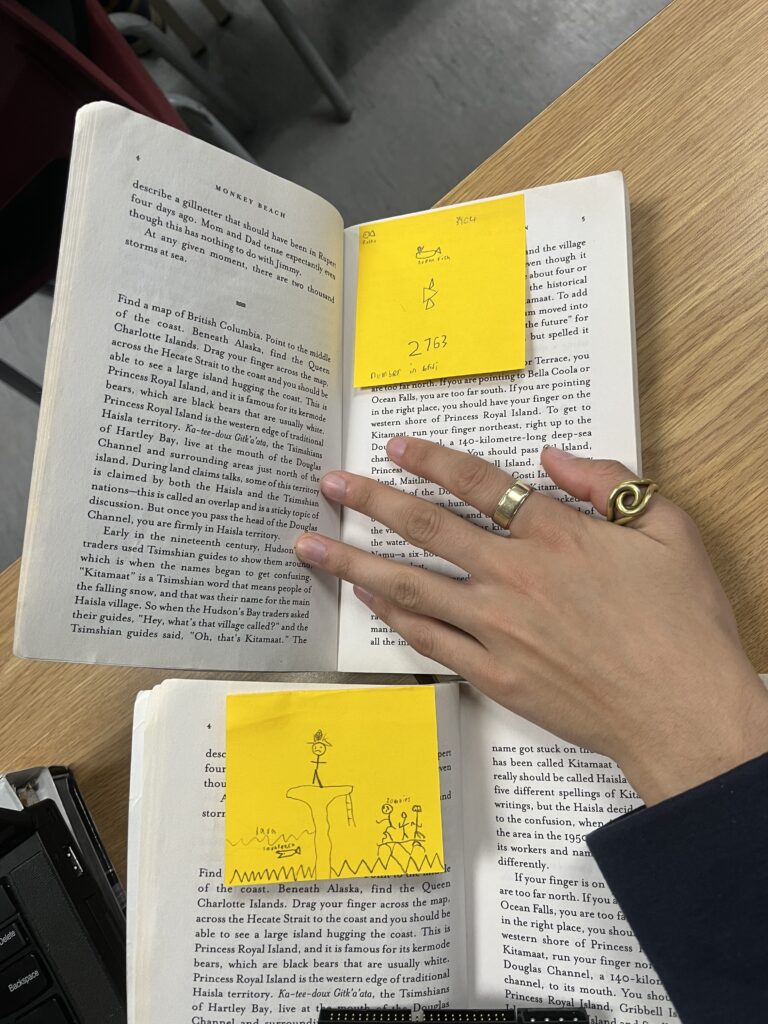
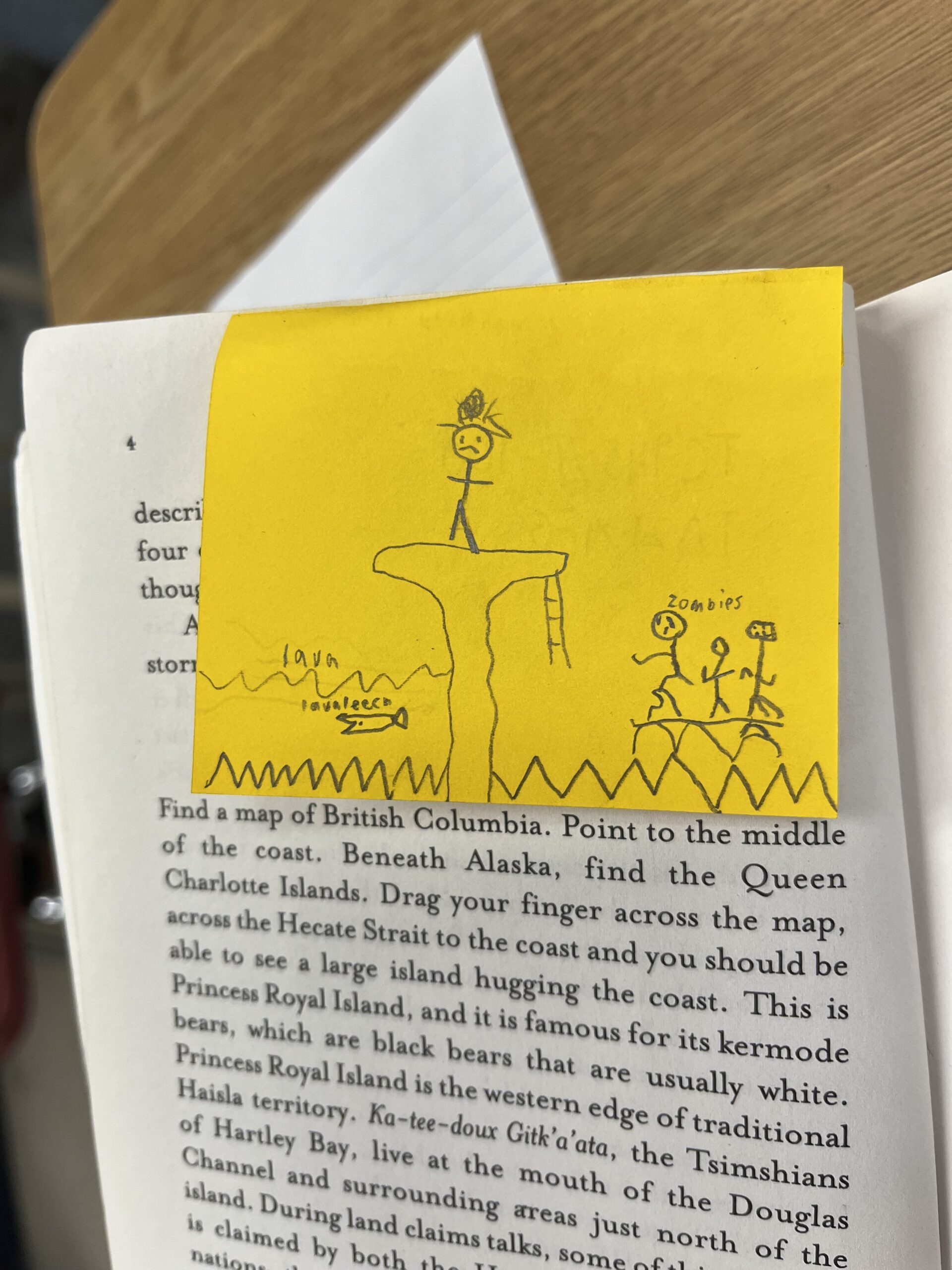
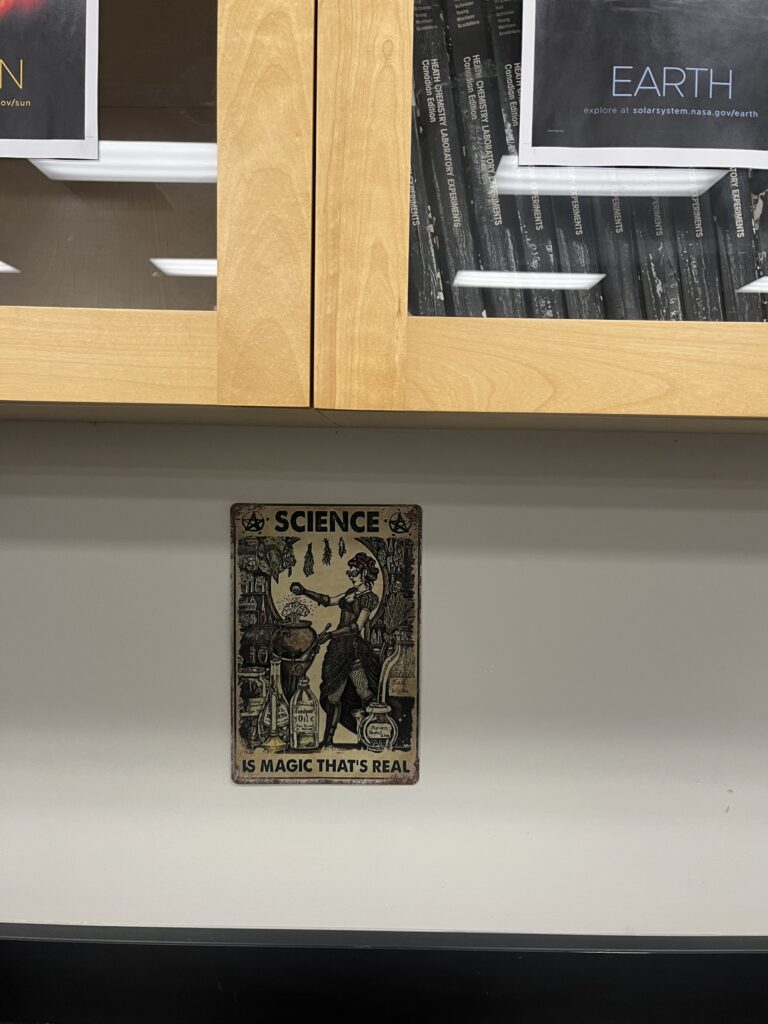
So, with respect to my past students, I make a point to ask them and notice how they are already co-creating their reality in school. The thing I notice most, is fun and whimsy. I think that there is not nearly enough whimsy in our current school system.
“Whimsy” definition
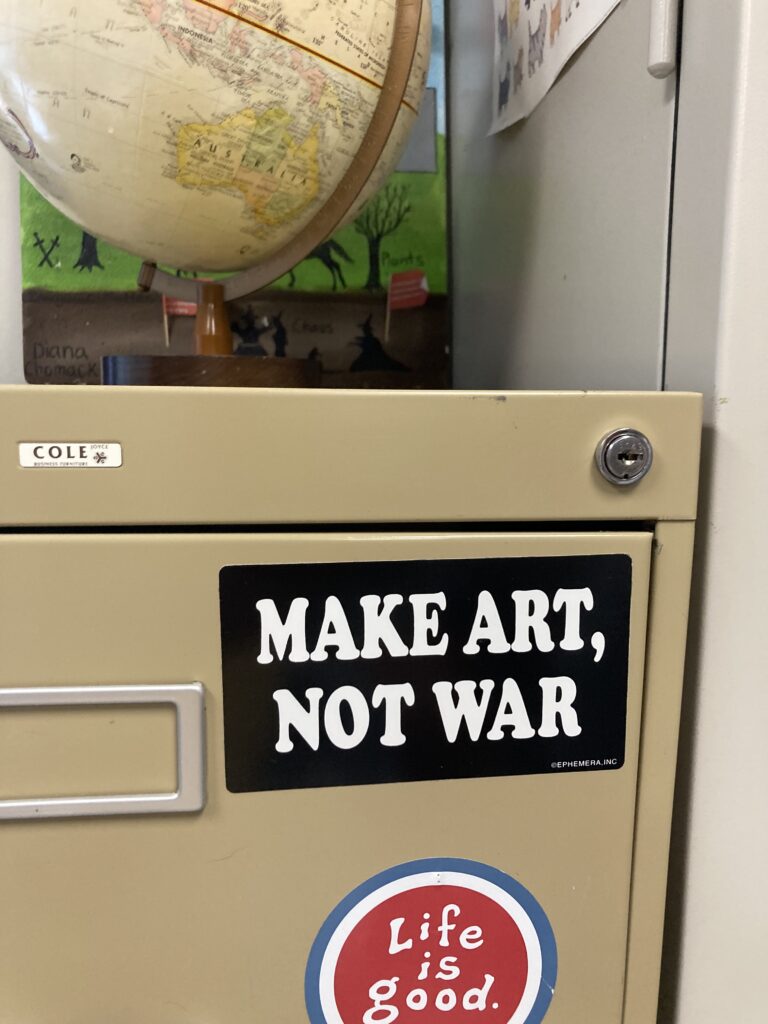
Some visual examples of student created whimsy and teacher created whimsy below. ALLOW YOUR STUDENTS TO CREATE WHIMSY!!!


We cannot reimagine education unless we reimagine university.
Pros & cons of Lesson Plans vs Learning Plans?
What is the difference between these two things? Well, lesson planning is an outline with goals and objectives that a student is meant to his, where as a learning plan is a document used to plan learning.
While lesson planning allows teachers to accurately look at what worked and what went wrong and adjust and scaffold for suture evolutions of lesson plans, it can be restrictive and not allow wiggle room for learnings to demonstrate a larger range of knowledge.
A learning plan is a great place to think about how the learning will take place. It can be an every developing guide that has room for flexibility.
What are the potential benefits of developing a robust PLN?
Personal learning networks are an important net of support and resource sharing that can be developed online, in person, or both. Benefits of PLN are being able to access materials quickly and easily. An added bonus is that these resources have actually been used by other teachers, making them extremely reputable.
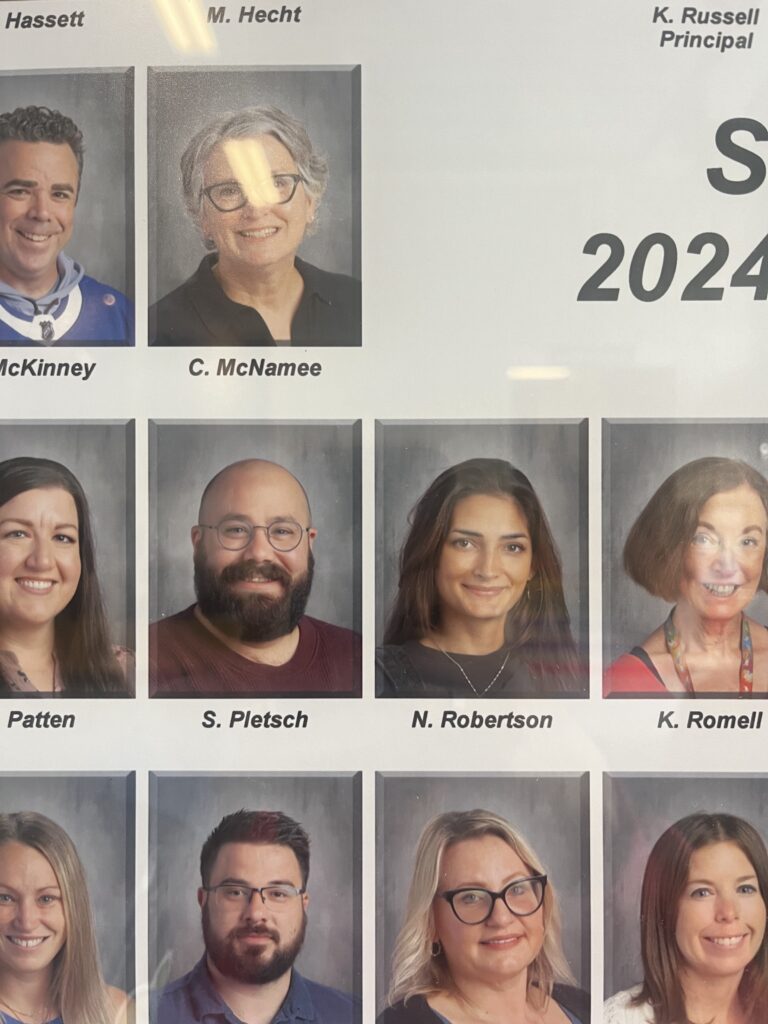
Extra benefits of an in person personal learning network is having a shared experiences and integrating fun into day to day life with other professionals you have shared experiences with every day. As teachers, we spend lots of time in schools, and taking time to connect and understand each other/create community can greatly enhance a teachers day to day experience. Examples seen visually below with caption.